








A single gram of DNA can store about 215 petabytes (215 million gigabytes) of data.
Our largest data centers take up enormous space and burn megawatts of energy —
yet one gram of DNA could hold around 215 petabytes of information.
In theory, the entire internet could fit into just a few grams of it.
Nature discovered a far denser form of database design long ago —
not using 0s and 1s, but a four-letter system: A, T, C, and G.
Another clear victory of nature over technology. 🌱💽


Ena Cole DNA is nature’s ultimate high density storage system 🧬

Enid Schmidt Technology still has a lot to learn from biology 💡

Beaulah Ortiz Nature achieved incredible data efficiency long before computers existed 🌱

Devonte Senger Four molecular letters can encode unimaginable amounts of information 🧬

Andranik Ispiryan 215 petabytes in one gram is absolutely mind blowing 🤯
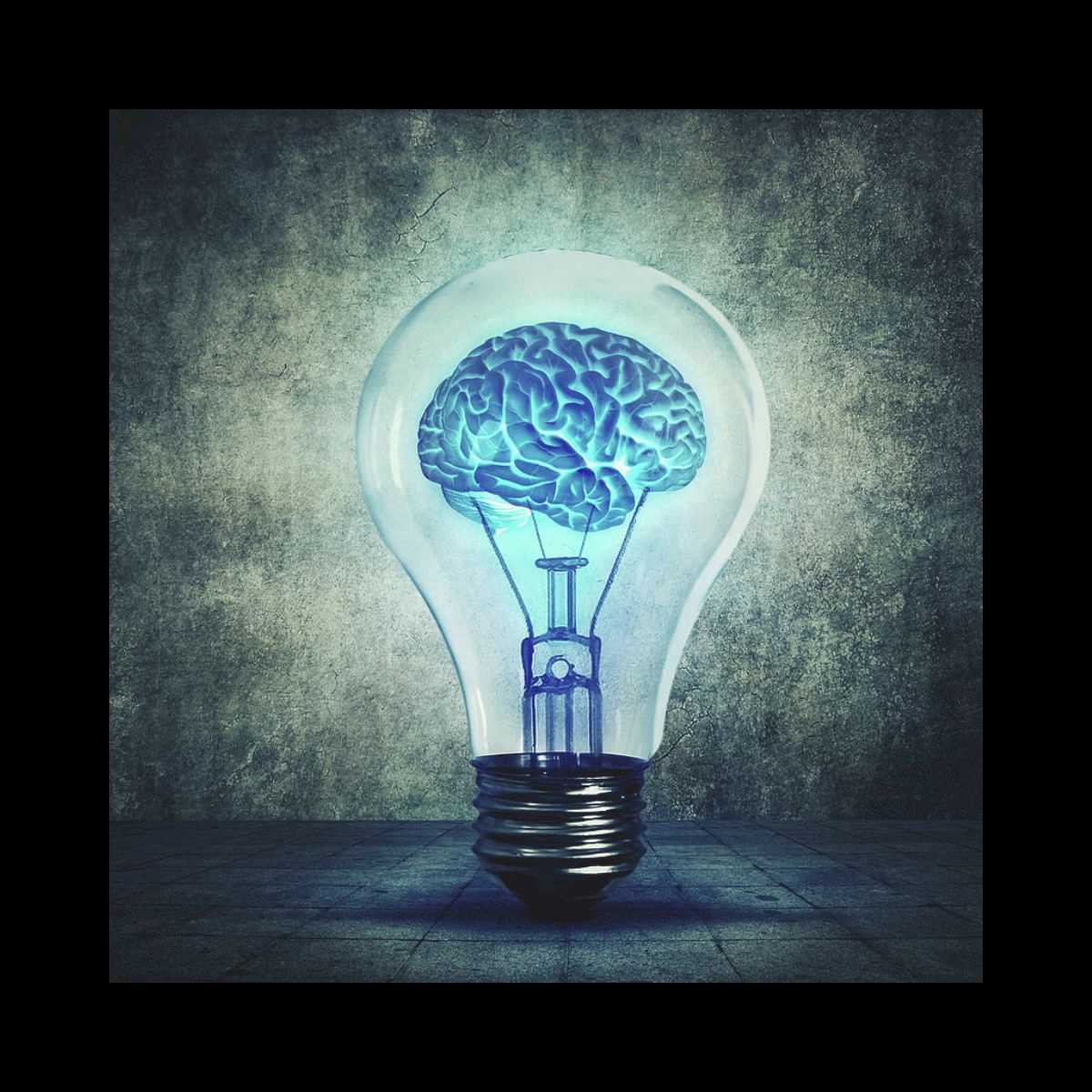
The human brain operates on about 20 watts of energy — roughly the same amount used by a small light bulb.
With just those 20 watts, the human brain can create and imagine entire worlds.
AI models, on the other hand, consume megawatts of energy merely to reproduce what has already been created by humans.
Our brain is truly extraordinary. 💡🧠

James Smith 🔑🔑🔑

Amina Bell James Smith 🤩

Martin Mendez 💡💡💡
Amina Bell Martin Mendez 🤩

Dale Harris The brain achieves extraordinary intelligence with remarkably little energy 🧠
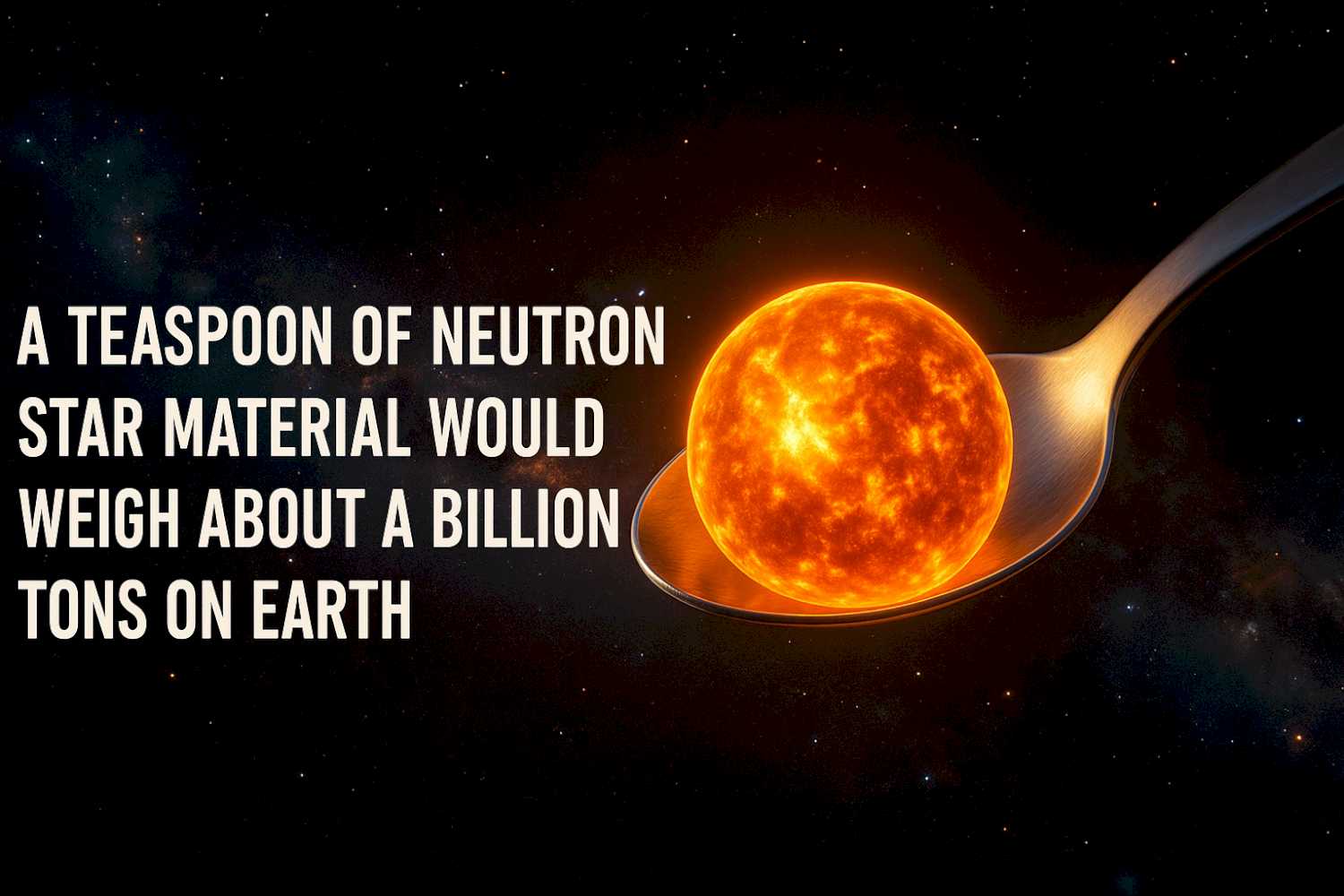
A teaspoon of neutron star material would weigh about a billion tons on Earth.


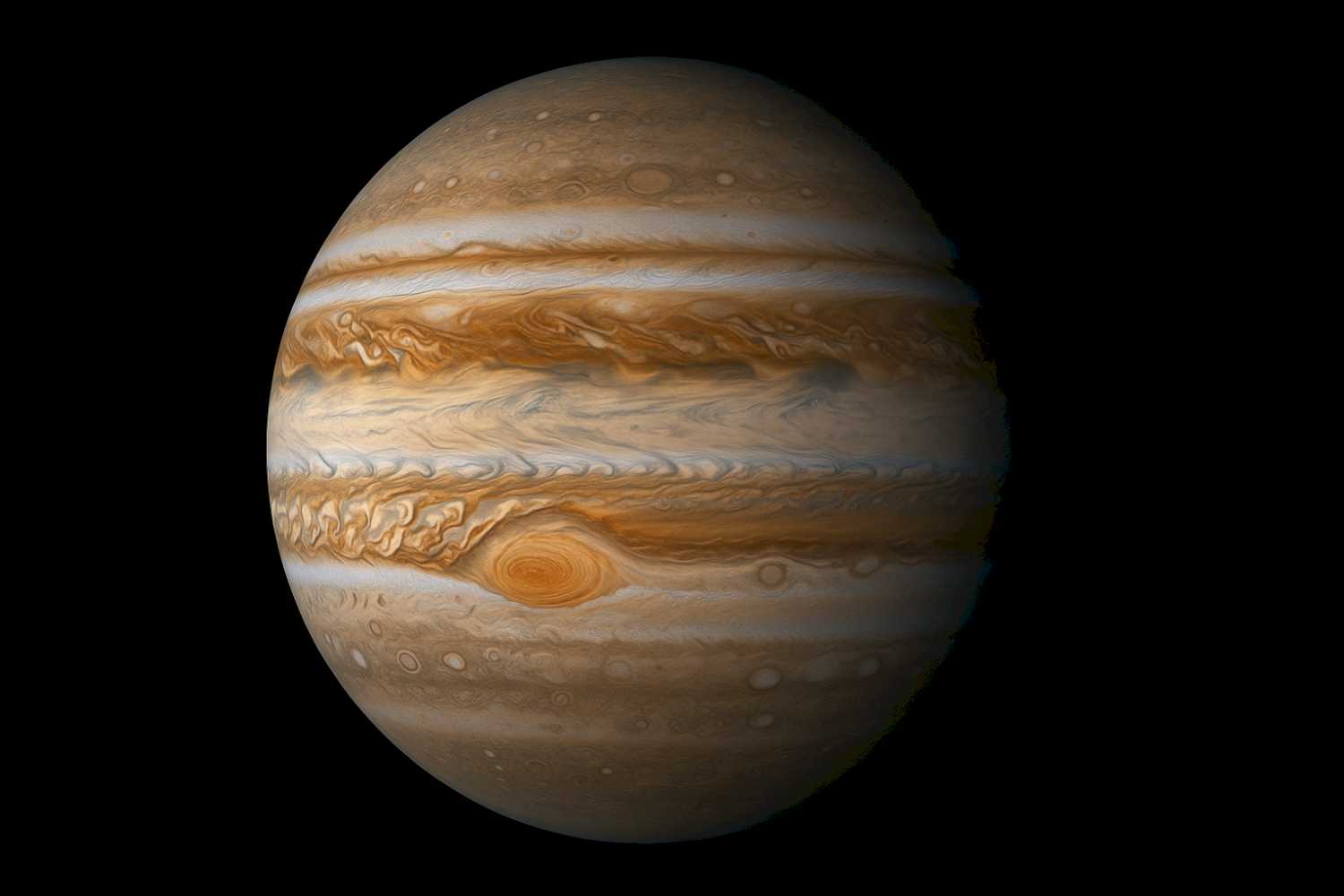
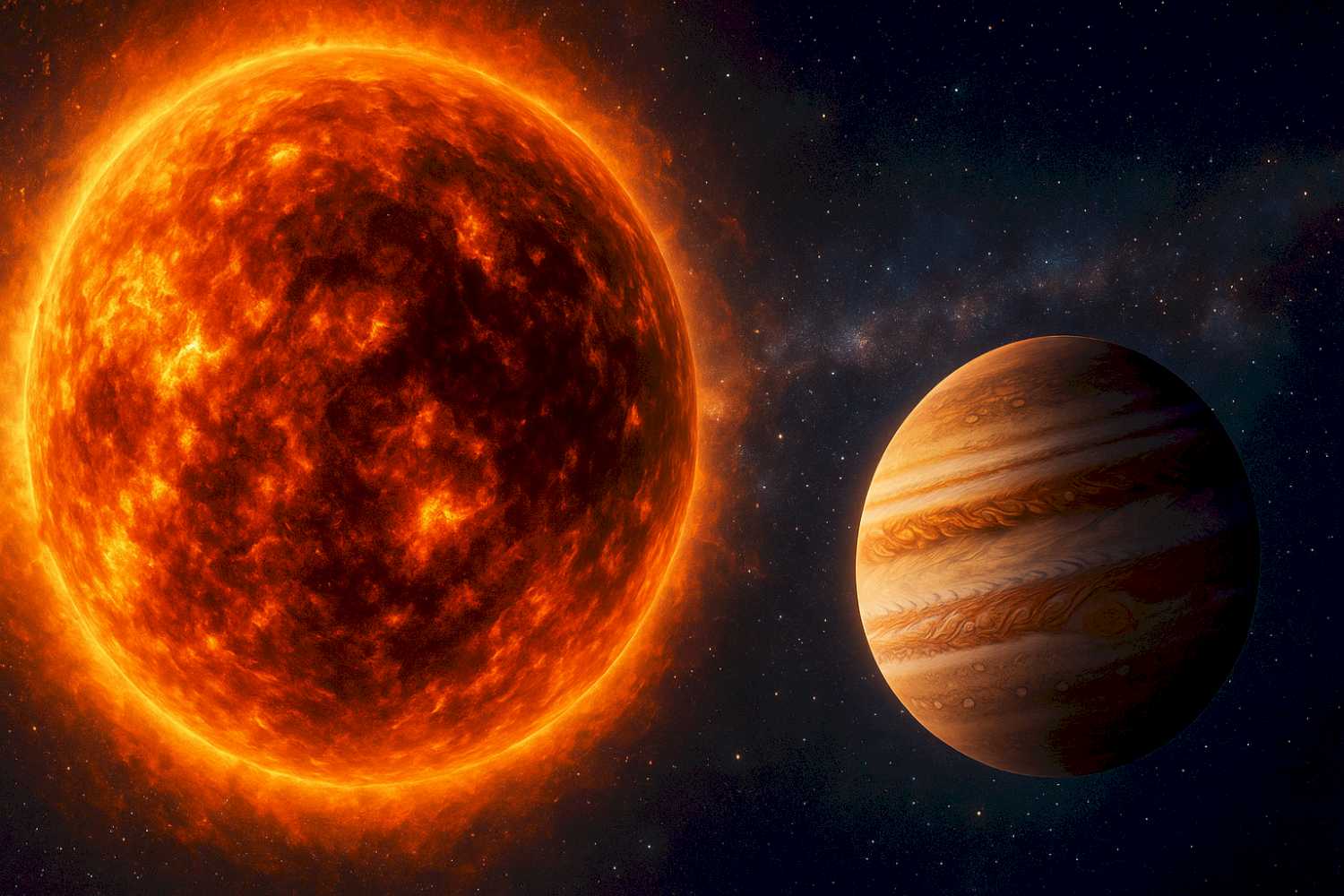
The largest known star, UY Scuti, is so huge that if placed at the center of our Solar System, it would extend out to Jupiter.

Pedro Treutel The sheer scale of this star is absolutely mind blowing 🤯

Benjamin Goldman UY Scuti makes our entire Solar System seem incredibly tiny 🌌

Alden Mante The universe is truly beyond human imagination 🌠

Henriette Metz Imagine Jupiter sitting inside a star of that magnitude 🔭

Ar Men Space becomes more fascinating with discoveries like this ✨
A day on Jupiter lasts only 10 hours, making it the fastest-spinning planet in the Solar System.