🔍 Why the Future Belongs to Web3

The data is clear:
🌐 Over 420 million people globally use cryptocurrencies.
📈 The Web3 market size exceeded $27 billion in 2024.
💡 61% of content creators don’t trust traditional platforms due to unfair monetization systems.

🟢 Coins Network is here to change that:
→ Build your own community, with your own rules
→ Get fairly rewarded based on value, not algorithms
→ Become more than a user—be a co-owner

🌟 You're not just using the platform—you're helping shape it.

Amina Bell Vasil Atvani 😉 😉

Amina Bell Zain Abdulah 😊 😊

Amina Bell

Amina Bell Manuela Manukian

Amina Bell Manuela ❤️🙏❤️❤️❤️❤️

🌱 Beginnings matter, but consistency brings results
Joining a new platform can feel like an experiment. But it’s those very first steps that lay the foundation for trust, connections, and real value.

👣 I’m continuing my Coins Network journey — learning, creating, and sharing more every day.

💬 What are you creating today?
Drop it in the comments — even if it’s just a small thought.

#CreateConnectEarn
#CoinsNetworkJourney
#FromZeroToImpact

Amina Bell Nadia Amin 💚 💙 💚 💙

Frieda Moore 🥰 🥰 🥰

Asia Goldner 💜 💜 💜

Henry Richardson 📗 📗 📗

Tamush Gabuni 🤔 🤐 🤔

🧩 Coins Network: A Smart Integration into the Web3 Ecosystem
Coins Network is more than just a platform — it's a technological ecosystem that redefines the relationship between social media and the digital economy. It is built around three core pillars: content value recognition, economic flexibility for users, and technological transparency.

🚀 Technological Infrastructure
Web3-based foundation: Built on blockchain for data transparency, immutability, and decentralized verification.

Decentralized ID (DID): Each user has a secure, self-sovereign identity with no central authority.
Smart Contracts: Automated, trustless systems to manage community engagement and rewards.

💰 Economic Model
Token-based incentives: Users earn tokens based on the value they create—not on views or ads.
A controlled Creator Economy: Content is rewarded based on community validation and interaction.
Earn-to-Contribute model: Visibility isn’t something you pay for—it’s something you earn by engaging.

🤝 Community Structure
Gamified participation: Coins Network integrates game-like mechanics to keep community members actively involved.

DAO-driven decisions: Key platform directions are governed by user voting within a DAO (Decentralized Autonomous Organization).
Autonomous groups: Users can form private communities or modules with independent economic rules.

📌 Coins Network is one step ahead — transforming social media from a time-spending activity into an investment arena, a brand-building space, and a share in a real digital economy.
Lucy Mayer

Raquel Anderson Great post, you work on a coins network??? 😍 🤩

Aerith Pictus 💚 💚 💚

Amina Bell Raquel Anderson No, I’m just a regular user.

Amina Bell 🎉 Huge thanks to all my friends for the amazing support — this post hit the top in just one hour because of you! 🙌💚

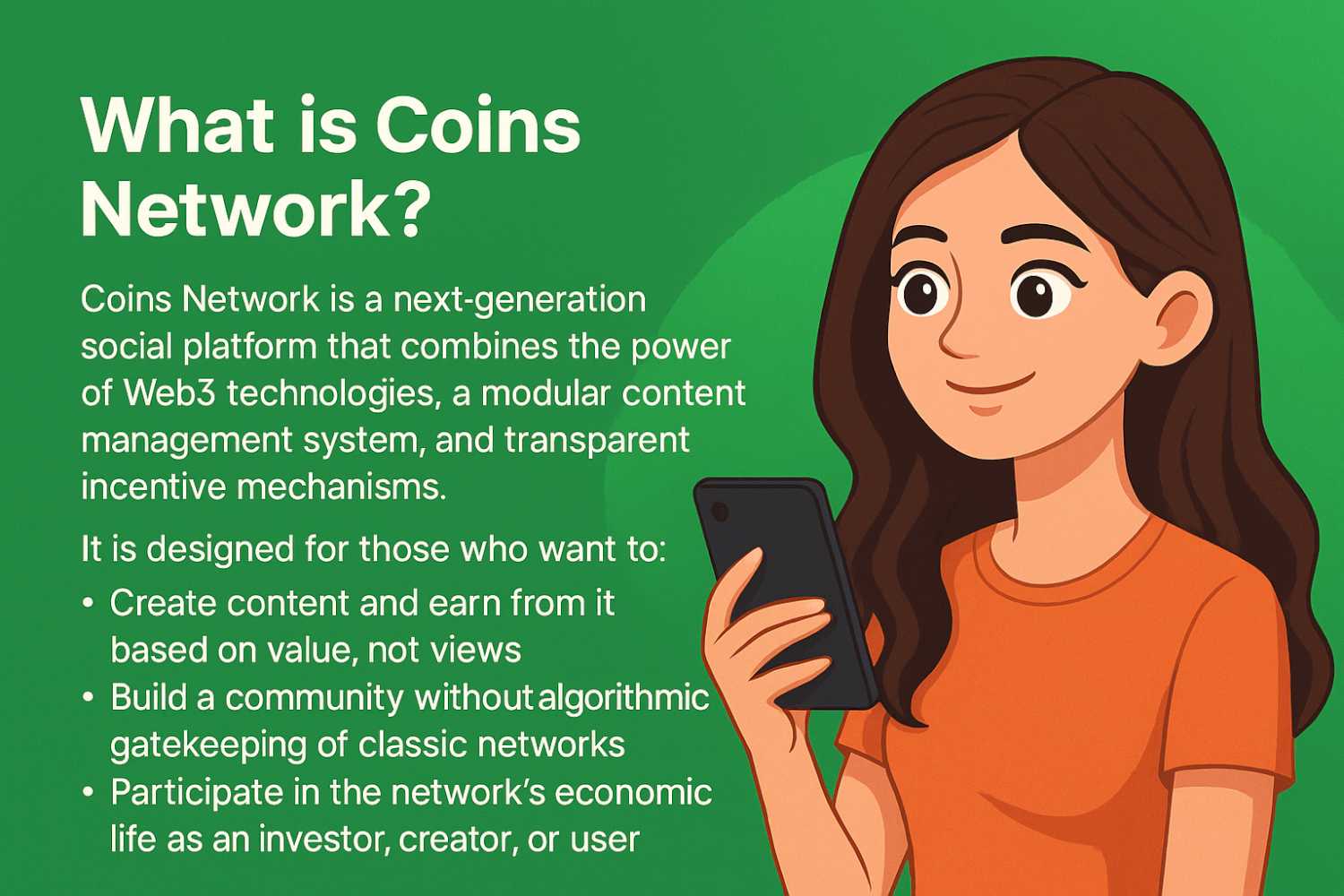
🔍 What is Coins Network?
Coins Network is a next-generation social platform that combines the power of Web3 technologies, modular content management, and transparent incentive mechanisms. It is designed for those who want to:

Create content and earn — not based on impressions, but on real value.
Build communities — without the algorithmic limitations of traditional networks.
Participate in the platform’s economy — as an investor, creator, or engaged user.

Henry Richardson Yesss its a true👍👍👍

Mark Berton

Daniel Shmidt 🌐🌐🌐🌐

Amina Bell

Kendo Onill 📲📲📲

Amina Bell
Shared a post from a page
Animation Motivation

Amina Bell
Shared Post

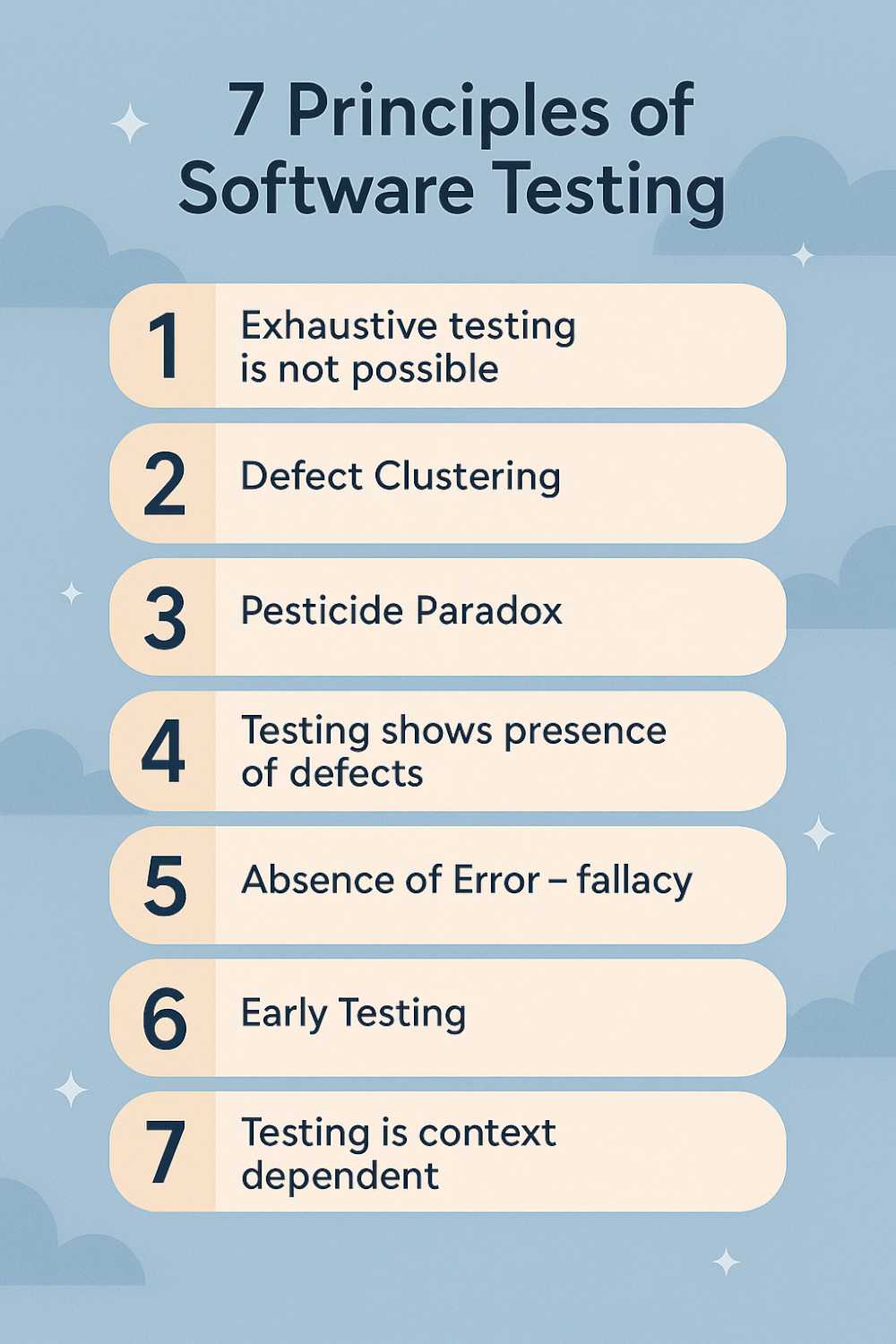
7 Principles of Software Testing
1) Exhaustive testing is not possible
2) Defect Clustering
3) Pesticide Paradox
4) Testing shows presence of defects
5) Absence of Error – fallacy
6) Early Testing
7) Testing is context dependent

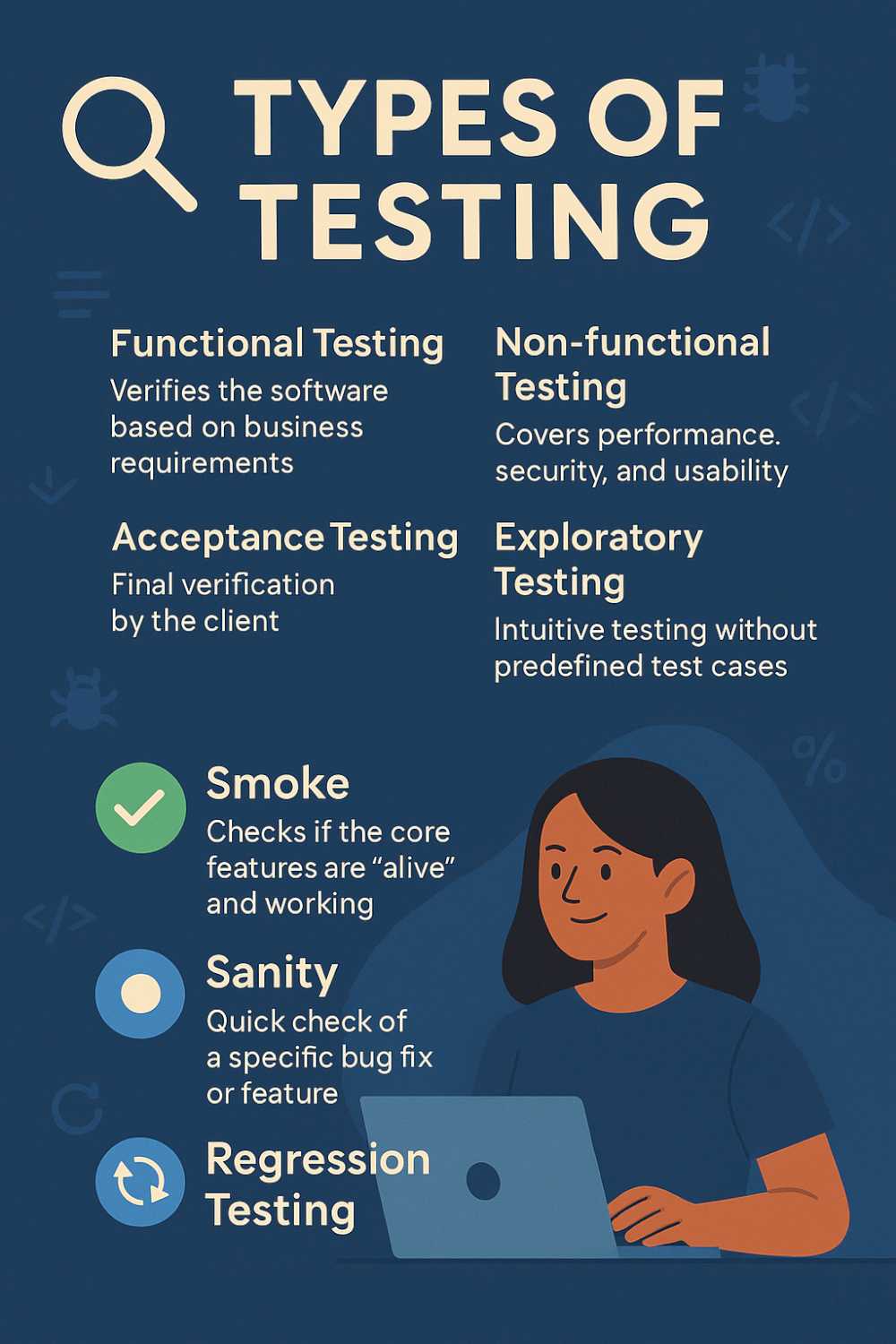
🔍 Types of Testing

Functional Testing – Verifies the software based on business requirements
Non-functional Testing – Covers performance, security, and usability
Acceptance Testing – Final verification by the client
Exploratory Testing – Intuitive testing without predefined test cases

🟢 Smoke Testing – Checks if the core features are "alive" and working
🔵 Sanity Testing – Quick check of a specific bug fix or feature
🔁 Regression Testing – Ensures new changes haven’t broken existing functionality

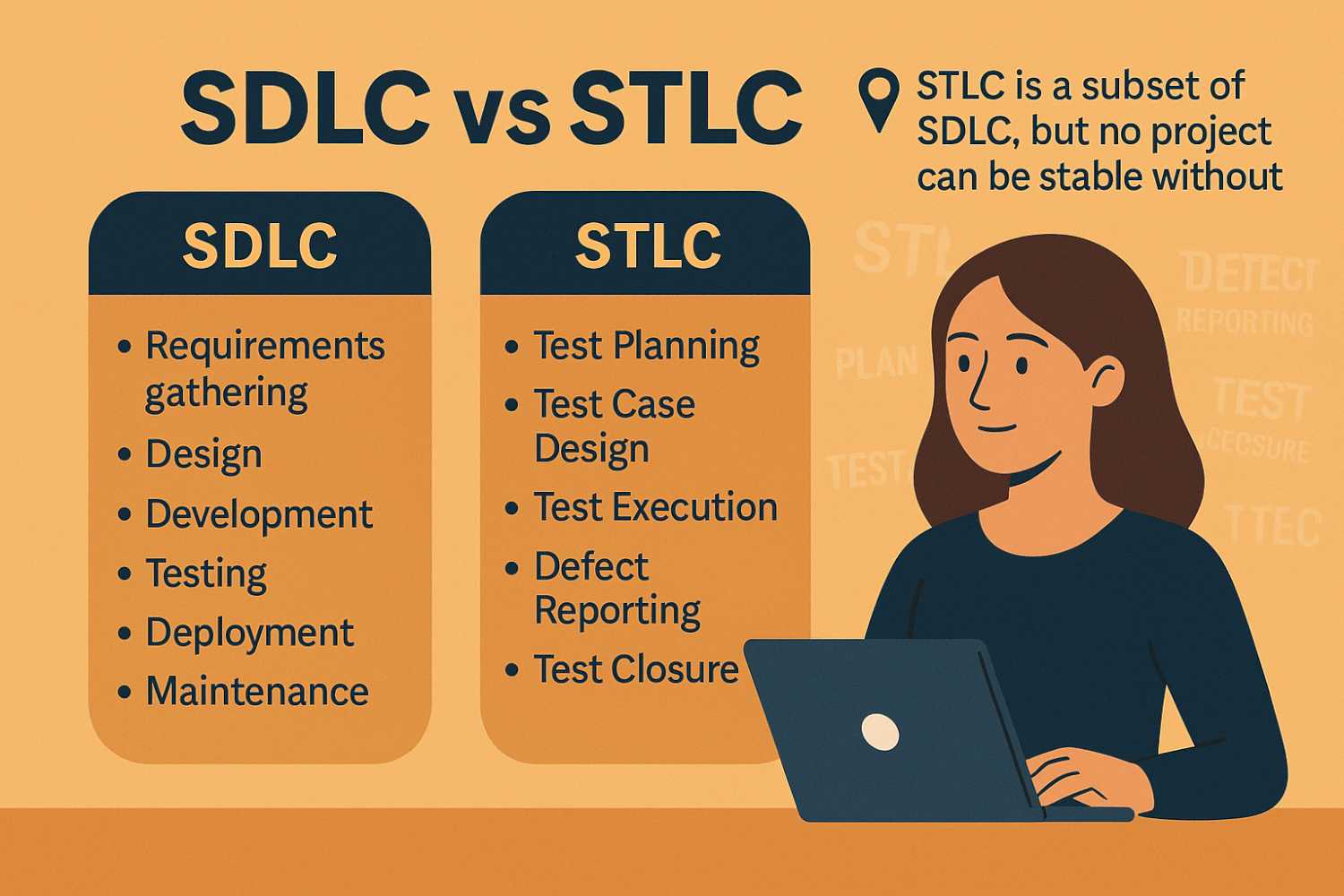
📌 SDLC vs STLC

SDLC (Software Development Life Cycle)
→ The complete process of creating software, including:

Requirements gathering
Design
Development
Testing
Deployment
Maintenance

STLC (Software Testing Life Cycle)
→ The phases of testing include:

Test Planning
Test Case Design
Test Execution
Defect Reporting
Test Closure

📌 STLC is a subset of SDLC, but no project can be stable without it.

Hello, dear network! 🌟
I’m starting a new journey — diving into the world of manual testing.
This will be my new professional focus, and as I learn step by step, I’ve decided to share useful content along the way.

✅ I hope you’ll find it interesting and join me actively.

📌 In the comments, I’d love to hear from you:
▪️ What’s your current field or passion?
▪️ What kind of topics would you like me to post about?

Let’s grow together 💡